


The best time to visit Hawaii depends on what you want to be true when you land: calm snorkel water, breaching whales, thin crowds, or open seats on the famous boats. “Cheapest” and “best” are not the same trip, and we already ranked the cheapest months to visit separately.
This is the weather, ocean, and booking-window version, from the Blue Hawaiian Activities desk.
Below is the month-by-month version, followed by a season-by-season booking list, so you can match your calendar to the ocean instead of hoping they line up.
The short answer: late April through May, and mid-September through October, are the windows we recommend most. Warm water, fewer school-break crowds, and you can still get a Molokini or Nāpali seat without booking it in February. July and Christmas week are the opposite on every count except weather.
Key Takeaways
- Blue Hawaiian Activities calls late April to May the best time to visit Hawaii.
- Mid-September through October is the second-best window for most travelers.
- Whale watching runs December 15 through April 15, peaking mid-winter.
- Summer brings calmer north shores, bigger crowds, and earlier sell-outs.
- Capacity-capped tours should be booked as soon as travel dates are confirmed.
January Through March: Whales First, Backups Always
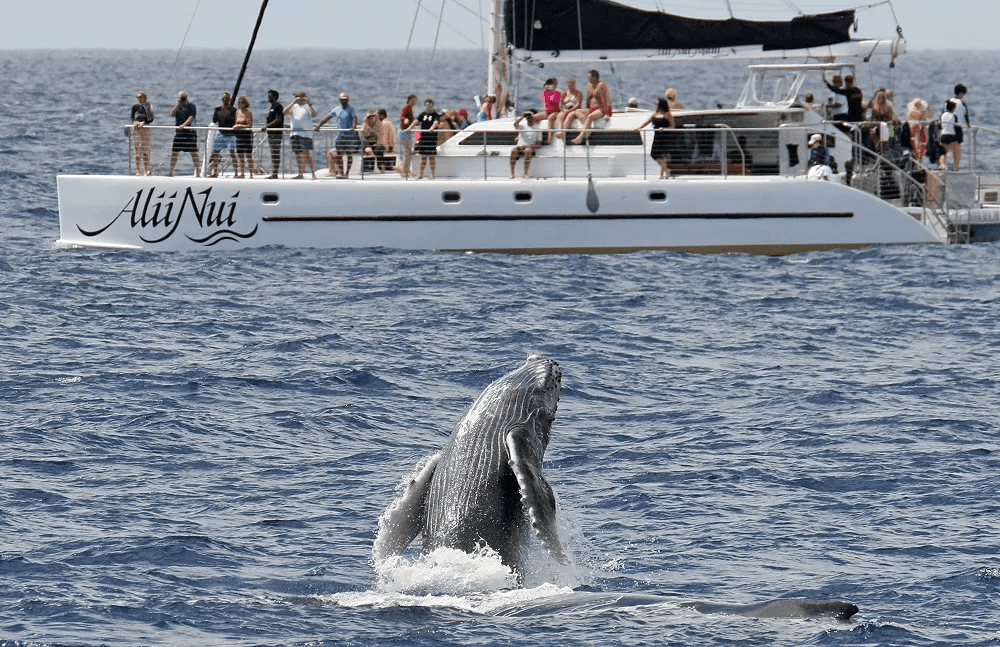
This is whale season at full volume. Maui’s Ka’anapali Classic Whale Watch runs daily December 15 through April 15, and the Big Island’s Kona Whale Watch runs December through April, with the densest activity typically mid-winter.
Oahu joins the show too: the Waikīkī-based Whale Watching Adventure runs the same December 15 through April 15 season on a 65-foot double-decker catamaran.
Book the whale watch with confidence, keep a land day as the backup for any snorkel boat, and pack real layers for Haleakalā. Our whale tour comparison by island covers which boats fit which traveler.
April and May: The First Best Window

Shoulder season, in the good sense. Snorkel conditions get friendlier, the whales taper off through April 15, and spring pricing often beats summer almost everywhere.
Boats that paused for winter start reopening: Kauai’s Morning Na Pali Snorkel from Hanalei and other seasonal Hanalei and Nāpali departures begin returning as Kauai’s north shore transitions out of its rougher winter pattern.
Late April also keeps a bonus in play: on Maui’s south shore, the Makena Bay Turtle Reef Kayak & Snorkel lists whale sightings as possible through April, so an early-spring paddle can still catch stragglers.
If your dates are flexible and school is not a constraint, this is where Blue Hawaiian Activities points you first.
June Through August: Calm Water, Full Boats

Summer flips the map. North shores calm down, which is why seasonal products like Kauai’s Deluxe NaPali Sunset Snorkel Tour run only June through early September.
It is also family season, and the capacity-capped list sells out first: Haleakalā sunrise seats, Nāpali boats, helicopters, and the popular luau nights. Hanauma Bay on Oahu requires an advance online reservation for visitors, and slots go quickly in summer.
Book the capped activities before you book restaurants. Our data on which tours sell out first is blunt about the order.
September and October: The Other Best Window
The families fly home and the water stays warm. Mid-week availability opens back up, while ocean temperatures remain warm and many popular tours continue their regular schedules.
Watch early-fall south swells if you have beginner snorkelers, and note that a few summer-only departures wind down in September; Kauai’s north shore boat season, for example, narrows through the fall before winter closes it.
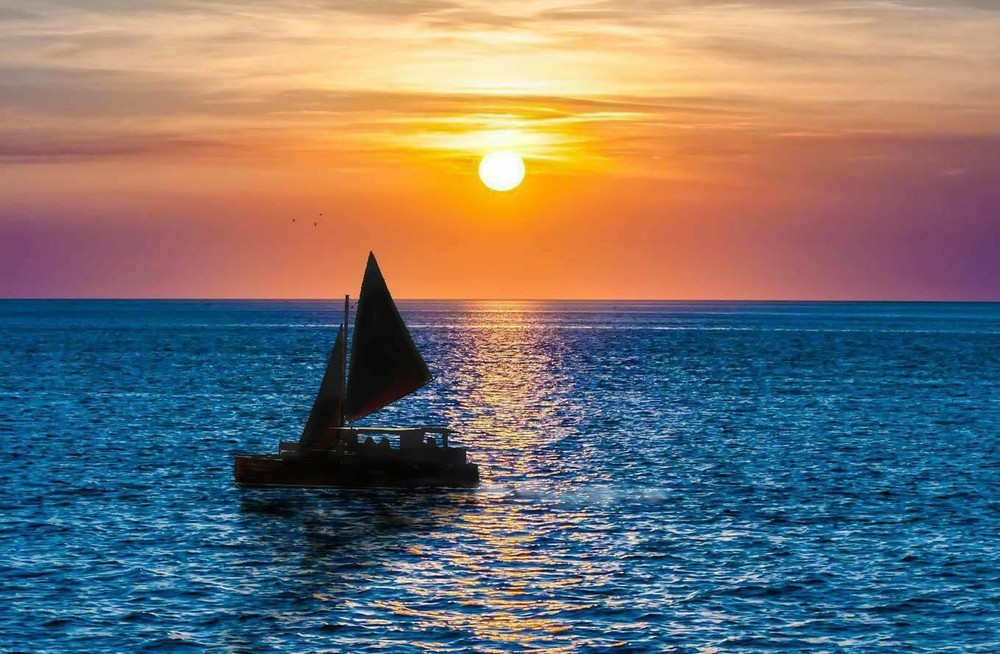
Couples get the best of this window. Warm evenings, quieter beaches, and sunset sails that are easy to book mid-week. That combination makes early fall one of our favorite windows for couples and honeymooners.
We wrote a dedicated September and October shoulder-season guide with the specific boats and windows worth targeting.
November and December: Two Different Months in One
Early November is quiet shoulder season. By December 15, whale boats are running and holiday pricing arrives with the crowds.
Christmas through New Year’s books like peak summer, except with winter weather risk added. On Kauai, the Deluxe NaPali Sunset Tour shifts to its October-through-March seasonal schedule with a 1:15 p.m. check-in, a reminder that winter reshapes the day for every ocean operator.
Holiday-week travelers should reserve anything capacity-capped before booking the steakhouse.
One more scheduling wrinkle: the famous luau shows do not run nightly. Kauai’s Luau Kalamaku, booked as the Plantation Luau, runs only Tuesdays and Fridays, so a short holiday trip can miss it entirely if the flights land on the wrong days.
What to Book in Which Season
Whales: winter, December 15 through April 15, full stop. Molokini and beginner snorkeling: available year-round, but morning departure are generally the best choice for calmer conditions like the Morning Molokini Snorkel.
Nāpali boats: aim away from the biggest winter north swells, or hold the Kauai Eco Adventure Helicopter Tour as the backup. A helicopter tour offers a completely different perspective, but all air and ocean activities remain weather dependent.
Helicopters: operate year-round, weather permitting. Earlier flights are popular, but conditions vary by island, route, and day. Haleakalā sunrise: any month, and every month is cold at the summit, with pre-dawn temperatures that can sit near freezing; guided trips like the Haleakala Sunrise Guided Tour bring the blankets.
Mauna Kea stargazing: year-round, and the Mauna Kea Summit Adventure operator reports roughly 325 clear nights a year, but summit access and stargazing conditions remain weather dependent.
Crowds vs Rates vs Availability
Travel costs often follow flights, hotels, and holidays. Activity availability follows permits, operating schedules, and limited seats. These are different curves, and travelers mix them up every week.
You can find a cheap October hotel and still lose Molokini if you wait until Tuesday night to book Wednesday’s boat.
Departure times drift with the seasons too. Sunset sails shift their sail windows several times a year as daylight changes, and Haleakalā pickups move with the sunrise, so confirm the clock time for your specific week rather than assuming last spring’s schedule.
The full picture, island by island, is in our Hawaii trip cost breakdown, and our advance-booking desk report shows how early each tour type actually reserves.
Conclusion
The best time to visit Hawaii in 2026 is late April through May or mid-September through October for most travelers, winter if whales are the reason you are coming, and summer if school calendars decide for you.
Every window works if the capacity-capped activities are booked in the right order: whales and boats first, helicopters with morning slots and backups, restaurants last.
Tell Blue Hawaiian Activities when you’re traveling, and our concierge team can help you determine what should be reserved before you arrive and what can wait until you’re on island. Plan your dates with Blue Hawaiian Activities and land with the hard part already done.
Frequently Asked Questions
What is the best time to visit Hawaii for a first trip?
The best time to visit Hawaii for a first trip is May or September, when the water is warm, crowds thin out between school breaks, and headline tours like Molokini and Nāpali boats often still have seats on reasonable notice. Blue Hawaiian Activities recommends those two months first whenever a family’s calendar allows the flexibility.
What is the best time to visit Hawaii for whale watching?
The best time to visit Hawaii for whale watching is December 15 through April 15, when Maui and Big Island whale watch tours operate daily, with the most action typically in the mid-winter heart of the season. Blue Hawaiian Activities books naturalist-led whale watches on both islands and pairs each one with a land backup day in case of winter weather.
Is summer a bad time to visit Hawaii?
Summer is not a bad time to visit Hawaii: north shore waters are at their calmest and every island runs a full tour schedule. The catch is competition, since school-break crowds sell out Haleakalā sunrise, Nāpali boats, helicopters, and popular luau nights early. Blue Hawaiian Activities tells summer travelers once flights and travel dates are confirmed, reserve the most capacity-limited experiences early.
What is the rainiest time to visit Hawaii?
Winter, roughly November through March, is the wetter season across Hawaii, which is also the best time to visit Hawaii for whales, so the two trade off directly. Showers are often localized, and leeward resort coasts stay drier than windward sides. Blue Hawaiian Activities builds winter itineraries with morning departures and backup options so a weather change doesn’t derail the entire itinerary.
How far in advance should I book activities for the best time to visit Hawaii?
For peak windows like summer and Christmas week, book capacity-capped activities one to several weeks before you fly; for shoulder months like May and October, days to a week usually suffices. Whale watches, Nāpali boats, helicopters, and luau nights go first. Blue Hawaiian Activities can look at your exact dates and tell you which bookings cannot wait.