
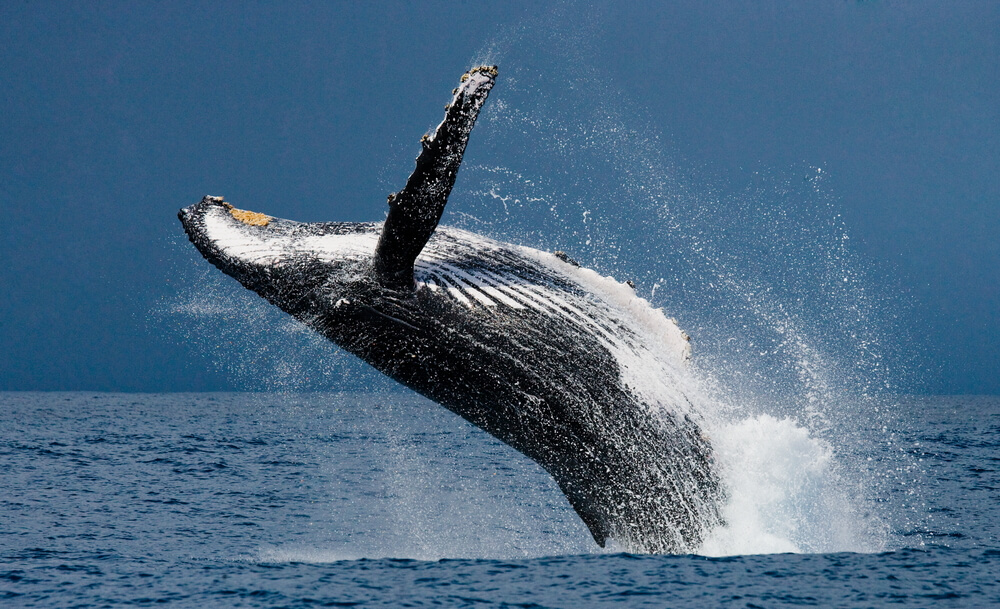


Every winter, thousands of North Pacific humpback whales leave their feeding grounds off Alaska and swim roughly 3,000 miles to the warm, protected waters off Maui.
They come here for one reason: to breed, give birth, and nurse their calves before the long trip back north. For visitors, that migration turns Maui into one of the best places on Earth to watch a whale breach just offshore.
If you’re planning to see them in 2026, here’s what you need to know: when the season runs, why Maui’s waters draw so many whales, what behaviors to watch for, where to position yourself, and how to book a tour through Blue Hawaiian Concierge, Maui’s local concierge team for booking island experiences.
Main Highlights:
- Season: Maui’s humpback whale season typically runs December through April. Peak viewing is generally January through March, with February often the strongest month.
- Why Maui: The shallow, protected ʻAuʻau Channel gives humpbacks calm, sheltered water to breed and raise calves, which is why Maui draws such large numbers of whales each winter.
- What you’ll see: Breaching, tail and pectoral fin slaps, mother-and-calf pairs, competition pods, and, on many tours, whale song through an onboard hydrophone.
- How to watch: By boat (the classic choice), from shore, or from the air on a helicopter tour.
- How to book: Reserve online through Blue Hawaiian Concierge or call 1-888-667-7777 to talk with our concierge team directly.
When Is Whale Season in Maui? Your 2026–2027 Timeline
The official season for the Hawaiian Islands Humpback Whale National Marine Sanctuary runs December 15 through May 15, but the whales themselves don’t watch a calendar. Scouts typically show up off Maui in October and November, numbers build through the holidays, and activity peaks in the heart of winter.
Here’s roughly what to expect month by month:
October–November — Early arrivals. The first whales are finishing their migration from Alaska. Sightings are still occasional at this point, but early-season visitors are sometimes rewarded with a memorable encounter.
December — The season picks up. More whales have settled into Maui’s waters, and sightings become noticeably more common, especially on calmer morning tours.
January–March — Peak season. This is prime time: breaching, tail slaps, competition pods, and mother-and-calf pairs are all in regular rotation. Multiple sightings in a single outing are common.
April–May — Winding down. As spring arrives, whales begin heading back to Alaska. Sightings become less frequent, but this stretch often brings good views of playful calves before they make the journey north. The official sanctuary season wraps up May 15.
Why Maui Draws So Many Whales
An estimated 10,000 to 12,000 North Pacific humpbacks migrate to Hawaiʻi each winter, and a large share of them concentrate around Maui. The reason is geography: the ʻAuʻau Channel, tucked between Maui, Lānaʻi, Kahoʻolawe, and Molokaʻi, is shallow, warm, and shielded from open-ocean swells. That calm, sheltered water is exactly what humpbacks look for to breed and raise young calves, which is why this stretch of coastline is one of the best places in the world to see them.
These waters have been federally protected since 1992 as the Hawaiian Islands Humpback Whale National Marine Sanctuary, which spans roughly 1,400 square miles around the main Hawaiian Islands.
The practical upshot for visitors: boats leaving from harbors like Māʻalaea and Lāhainā reach whale habitat in minutes, not hours. Rather than feeding while they’re here, humpbacks live off stored energy for the entire season, focusing instead on mating, calving, and giving newborns a safe, sheltered place to build strength before the swim back to Alaska.
What You’ll See: Humpback Behaviors and Other Marine Life
Humpbacks are among the most active whales in the ocean, and Maui gives you a front-row seat to their full range of behaviors. Knowing what you’re looking at makes every sighting more rewarding:
- Breaching — a whale launching most of its body out of the water and crashing back down. The most dramatic thing you’ll see on the water.
- Pectoral and tail slaps — a whale repeatedly slapping a fin or fluke against the surface, likely a form of communication.
- Spyhopping — a whale rising vertically to poke its head above the waterline, apparently just to look around.
- Mother-and-calf pairs — newborn calves, roughly 12 to 15 feet at birth, stay close to mom while nursing and building strength for the trip north.
- Competition pods — groups of males jockeying for a female’s attention, fast, splashy, and hard to look away from.
- Whale song — on many tours, the crew lowers a hydrophone so you can hear the haunting songs male humpbacks sing only in these breeding waters.
Keep your camera ready between whale sightings, too. Maui’s channels are also home to spinner dolphins, green sea turtles, and, occasionally, pilot whales.
Best Whale-Watching Tours in Maui
Whether you want a relaxed catamaran cruise, a faster raft adventure, or a sunset sail, our concierge team can help you find the tour that fits your group. Blue Hawaiian Concierge partners with whale-watching operators around Maui and can compare tour styles, departure harbors, and schedules for you.
A few reasons locals and repeat visitors book through us:
- Vetted local operators — we work with experienced whale-watching companies that follow Hawaiian Islands Humpback Whale National Marine Sanctuary guidelines for responsible wildlife viewing.
- Local knowledge — our Hawaiʻi-based concierge team follows the whales through the season and can point you to the option that fits your group and timeline.
- Personalized recommendations — traveling with kids, planning a sunset date, or looking for something more adventurous? We’ll match you to the right tour instead of just the first one on the list.
- Straightforward booking — reserve online or by phone, with a local team you can actually reach before and after your trip.
A few Maui whale watches guests book often: the Māʻalaea Whale Watch, the Kaʻanapali Whale Watch, the Kaʻanapali Sunset Whale Watch for a more romantic outing, and the Whale Watch Discovery Raft Adventure for something faster-paced.
Where to Watch Whales on Maui: Water, Shore, and Air
By boat (the classic choice). Being out on the channel when a whale surfaces nearby is hard to beat. From the south side, the Māʻalaea Whale Watch puts you close to prime habitat quickly. On the west side, the Kaʻanapali Whale Watch departs near the resort corridor, while the Whale Watch Discovery Raft Adventure gets you lower and closer to the water on a smaller, faster raft. We can book any of these in minutes.
From the shore (free and easy). During peak months, you can often spot spouts and breaches straight from the beach. Elevated lookouts along the west and south shores, plus the scenic pull-offs between Māʻalaea and Lāhainā, are reliable spots. Bring binoculars and a little patience.
From the air (a different perspective entirely). A Majestic Maui helicopter tour shows you whales against turquoise water from above, alongside Maui’s waterfalls and sea cliffs. It’s not a dedicated whale-watching tour, but whales are often visible during winter months, which makes an already memorable flight even better.
Choosing the Right Tour for You
The right tour comes down to your travel style, your group, and how much motion you’re up for:
- Morning departures tend to have the calmest seas and best light, a good call for families or anyone prone to motion sickness.
- Sunset cruises trade midday sun for golden hour. The Kaʻanapali Sunset Whale Watch and Deluxe Kaʻanapali Sunset Sail pair whale spotting with cocktails and a Maui sunset.
- Catamarans are generally roomier and more stable, which suits families and larger groups.
- Rafts are smaller and faster, and they sit you closer to the waterline for a more up-close feel.
Many guests pair a whale watch with a snorkel trip to make the most of calm winter water. The Signature Deluxe Molokini Snorkel is a guest favorite, and whales are often spotted along the way. Not sure what fits your trip? That’s exactly what our concierge team is for.
Māʻalaea vs. Kaʻanapali: Which Harbor Should You Choose?
Both harbors deliver strong sightings throughout peak season, so the better choice usually comes down to where you’re staying. Māʻalaea Harbor sits on Maui’s south-central coast, close to the deepest part of the ʻAuʻau Channel, and is convenient for guests based in Wailea, Kīhei, or Central Maui. Kaʻanapali and Lāhainā, on the west side, work well if you’re staying along the resort corridor and want a short drive to the harbor. We book tours from both.
What to Bring and How to Prepare
A little prep makes the day more comfortable:
- Reef-safe sunscreen — Hawaiʻi restricts certain sunscreen chemicals to protect marine life, so pack a mineral-based, reef-safe formula.
- A light layer — morning ocean breezes can feel cool, especially on faster boats.
- A hat, sunglasses, and a camera — polarized lenses cut glare and make it easier to spot whales below the surface.
- Motion-sickness remedy, if needed — take it before boarding, and favor a calm morning departure if you’re sensitive to movement.
- Extra time — plan to check in 30 to 45 minutes before departure, with additional time for parking at busier harbors.
Responsible Whale Watching: Protecting Koholā
Humpback whales, koholā in Hawaiian, are protected by federal law. In Hawaiian waters, vessels and swimmers must stay at least 100 yards from humpback whales unless a whale chooses to approach on its own.
Responsible operators never chase, crowd, or corner whales. They follow established viewing guidelines that put the animals’ safety and natural behavior first, which tends to make for a better experience for everyone on board. We partner with operators who follow the guidelines set by the Hawaiian Islands Humpback Whale National Marine Sanctuary, so booking with us also means supporting responsible viewing practices.
How to Reserve Your 2026–2027 Maui Whale Watch
Whale-watching tours, especially morning departures during peak season, tend to sell out ahead of time, so it’s worth booking early.
- Browse Maui whale-watch tours and pick the departure, harbor, and vessel that fit your group.
- Reserve online right from the activity page through our secure booking system.
- Want a recommendation first? Call 1-888-667-7777 and talk to our concierge team. We’ll help you pick the right whale watch and round out your itinerary with other Maui activities.
Blue Hawaiian Concierge works with local, vetted operators across Hawaiʻi’s four major islands, so you’re getting honest recommendations from a team that actually knows the water, not just a booking form.
Maui Whale Watching FAQ
What is the best whale-watching tour in Maui? It depends on your travel style. Catamaran cruises tend to suit families and anyone who wants a steadier ride, while raft tours offer a faster, more up-close experience. Our concierge team can walk you through the options and help you pick.
What is the best month for whale watching on Maui in 2026? February is generally the strongest month, with whale activity at its peak. January and March are close behind, and sightings are common throughout December through April.
What time of day is best for whale watching? Morning tours usually have calmer water and better visibility, which is why they’re popular with families and anyone prone to motion sickness. Afternoon and sunset cruises can still deliver good sightings, along with better light for photos.
How close do whales get to the boat? Federal law requires vessels to stay at least 100 yards from humpback whales. Occasionally, a whale approaches a boat on its own, which makes for an unforgettable moment, but operators don’t close that distance themselves.
Are whale-watching tours good for kids? Yes, particularly larger catamarans with stable seating, shade, and onboard restrooms. Let us know you’re traveling with children and we’ll point you to a family-friendly option.
Will I definitely see whales? During peak season (January through March), sightings off Maui are very likely, and some operators offer a sighting guarantee. Earlier and later in the season, whales are present but less predictable.
Do you offer whale-watching tours on other Hawaiian islands? Yes. Beyond Maui, we book seasonal whale-watching tours on Oʻahu, Kauaʻi, and Hawaiʻi Island. Maui remains the top pick for most visitors, but each island has its own winter viewing opportunities.
Plan Your Maui Whale Encounter
The 2026–2027 humpback season is one of the best shows nature puts on, and Maui is about as close a seat as you’ll find. Whether you’re picturing a quiet morning sail, a sunset cruise with cocktails in hand, or a faster-paced raft ride, our concierge team can help you book the right tour. Browse our Maui whale-watching tours, or contact our concierge team to book by phone.